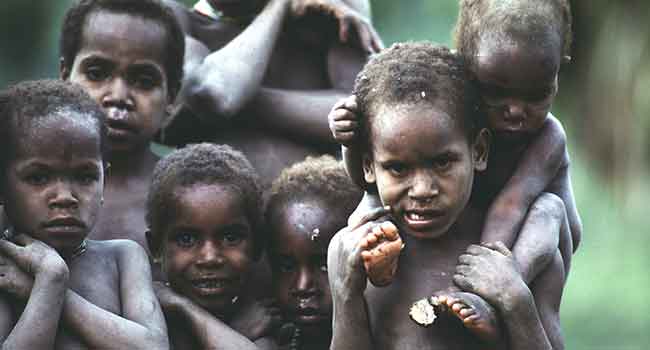
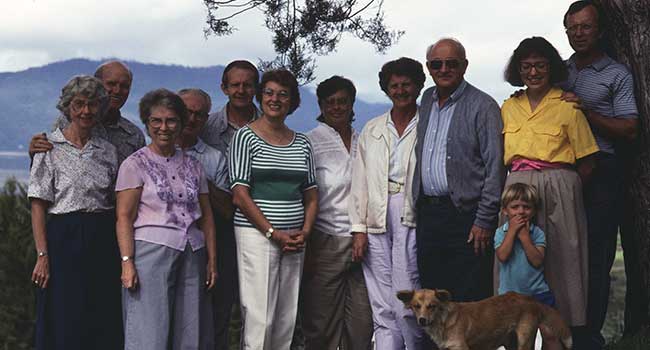
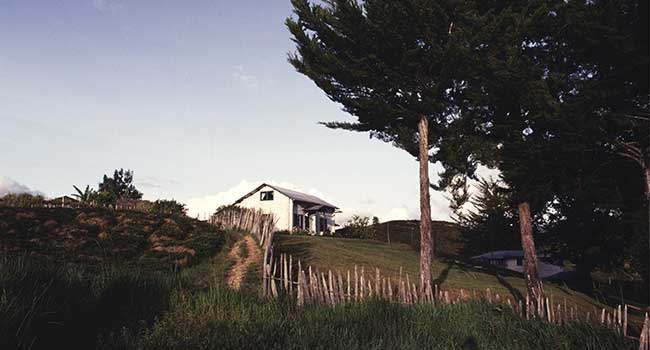
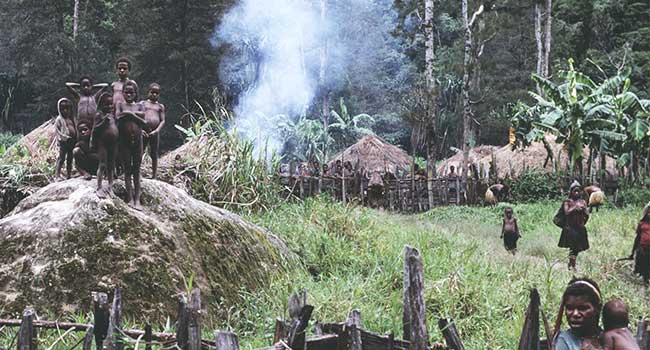
Free Online Bible Commentaries on all Books of the Bible. Authored by John Schultz, who served many decades as a C&MA Missionary and Bible teacher in Papua, Indonesia. His insights are lived-through, profound and rich of application.
Access the Download LibraryWhile there is no single, widely published physical book titled exactly "The Book of the Life of Xibalba" in mainstream academic circles, the phrase refers to a powerful concept at the crossroads of (the Popol Vuh ) and modern metaphorical literature.
Here is an in-depth article breaking down what this term means, its origins, and where you might find it. Introduction: What is Xibalba? In the Quiché Maya tradition, Xibalba (pronounced Shee-bal-ba ) means "place of fear" or "the underworld." It was not a hell of punishment in the Christian sense, but a dark, cavernous underworld ruled by terrifying gods (such as Hun-Camé and Vucub-Camé—"One Death" and "Seven Deaths"). It was a place of trials, decay, and illusion.
Many self-help, spiritual, or esoteric books use the phrase "Book of Life" to refer to the Akashic Records (a compendium of all events, thoughts, and emotions). Some authors blend this concept with Mayan mysticism, creating a "Libro de la Vida Xibalbá" as a metaphor for confronting your inner darkness and fears . This is a New Age interpretation, not a historical Mayan text.
If we speak of a we are essentially asking: What text narrates the existence, geography, and trials of this underworld? The Primary Source: The Popol Vuh The only authentic "book" that contains the life and stories of Xibalba is the Popol Vuh (Council Book). This is the sacred narrative of the K'iche' Maya, written in the 16th century by indigenous nobles after the Spanish conquest, transcribing their oral traditions.
Copyright (c) John Schultz. All Rights Reserved.
Permission is given to view the material on the www.bible-commentaries.com web pages and save that material only for your future personal non-commercial reference. Do not further copy, modify, use or distribute the material in any way unless you obtain the permission of John Schultz. We are unable to routinely inspect or confirm the material contained on the web pages that are linked to this page are correct in every case. We provide the information on these web pages as is and without any warranties. We disclaim all express and implied warranties, including merchantibility and fitness for a particular purpose. In no event will will be liable for any loss of profits, business, use, or data or for indirect, special, accidental or consequential damages of any kind whether based in contract, negligence or other tort. We may make changes to the web site materials and the product information and prices at any time without notice and without obligation to update the materials contained on these pages.
All Bible quotations in the material of rev. John Schultz, unless indicated otherwise:
New International Version The Holy Bible, New International Version. Copyright (c) 1973, 1978, 1984 by the International Bible Society. All Rights Reserved.
While there is no single, widely published physical book titled exactly "The Book of the Life of Xibalba" in mainstream academic circles, the phrase refers to a powerful concept at the crossroads of (the Popol Vuh ) and modern metaphorical literature.
Here is an in-depth article breaking down what this term means, its origins, and where you might find it. Introduction: What is Xibalba? In the Quiché Maya tradition, Xibalba (pronounced Shee-bal-ba ) means "place of fear" or "the underworld." It was not a hell of punishment in the Christian sense, but a dark, cavernous underworld ruled by terrifying gods (such as Hun-Camé and Vucub-Camé—"One Death" and "Seven Deaths"). It was a place of trials, decay, and illusion.
Many self-help, spiritual, or esoteric books use the phrase "Book of Life" to refer to the Akashic Records (a compendium of all events, thoughts, and emotions). Some authors blend this concept with Mayan mysticism, creating a "Libro de la Vida Xibalbá" as a metaphor for confronting your inner darkness and fears . This is a New Age interpretation, not a historical Mayan text.
If we speak of a we are essentially asking: What text narrates the existence, geography, and trials of this underworld? The Primary Source: The Popol Vuh The only authentic "book" that contains the life and stories of Xibalba is the Popol Vuh (Council Book). This is the sacred narrative of the K'iche' Maya, written in the 16th century by indigenous nobles after the Spanish conquest, transcribing their oral traditions.