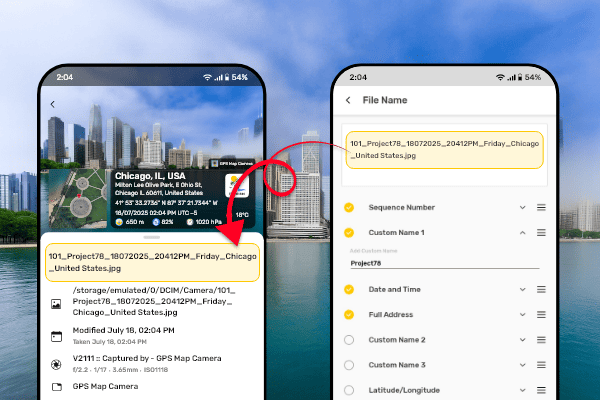
Add a text label to your work photo instantly with the GPS Map Camera.

Auto-stamp your photos & videos with accurate location, date, time, map, logo, and more. Perfect for professionals, travelers, & field teams.
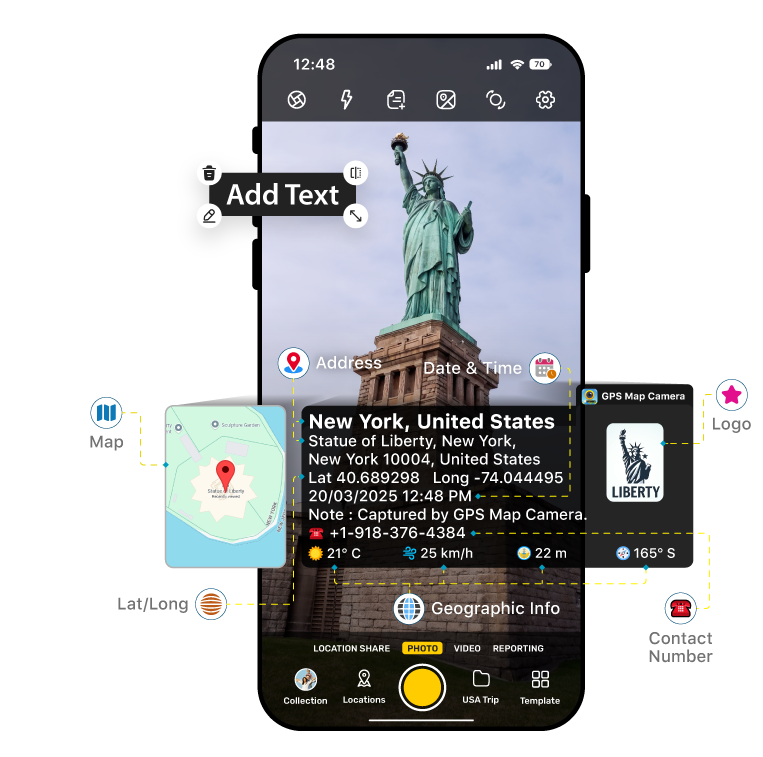
Capture photos with real GPS coordinates & map overlay
Date & time stamps that can’t be edited
Add project name, notes, phone number & your brand logo
Choose automatic or manual location input for flexibility
Used by millions of real estate, construction & contractor, and remote professionals
Beyond the moral lesson, the legend also reflects deep cultural anxieties about motherhood and abandonment. María, the "weeping woman," is the tragic antithesis of the ideal Mexican mother, La Malinche or the Virgin of Guadalupe—figures of loyalty and sacrifice. Instead of protecting her children, La Llorona becomes their murderer. Her ghostly lament is not only for her lost children but also for her lost identity as a protector. She is forever trapped between rage and remorse, a soul in purgatory.
La Leyenda de La Llorona is one of the most pervasive and haunting folktales in Latin American culture. While many versions exist, the "short legend" typically tells of a beautiful woman named María who, in a fit of rage and sorrow after her husband abandoned her for a younger woman, drowns her two children in a river. Immediately overcome by grief and regret, she wanders the banks, searching for them for eternity, dressed in a white gown and crying, "¡Ay, mis hijos!" (Oh, my children!).
At its core, this short version of the legend functions as a powerful moral tale. It serves as a stark warning against the destructive forces of unchecked passion, pride, and vengeance. María’s action—choosing to harm her children to hurt her unfaithful husband—is the ultimate act of selfishness. Her eternal punishment is not fire or chains, but an endless, fruitless search. She can never find her children because she herself destroyed them, symbolizing how certain sins are irreversible.
Furthermore, La Llorona acts as a cautionary figure for children. The tale is often told at night to scare youngsters away from playing near dangerous rivers or wandering alone after dark. The sound of wind or a crying animal is attributed to her ghostly wail, reinforcing a primal fear of the dark and the unknown. She represents the terrifying consequences of disobedience and the ever-present dangers of the natural world.



GPS Map Camera gives you full control to create photo documentation that’s authentic, accurate, and impossible to fake. Whether you’re on a site, in the field, or documenting memories, every image becomes verifiable proof
Explore All FeaturesGPS Map Camera automatically names your photos using the location, date, and time from the stamp — no manual work needed. Perfect for professionals who need clean, organized files ready for reports, sharing, or recordkeeping.
No manual renaming
Clean and easy-to-search images
Consistent formatting for reporting or sharing



See how GPS Map Camera’s powerful interface makes your images more than just pictures—each one is an authentic, accurate snapshot with automatic stamps.





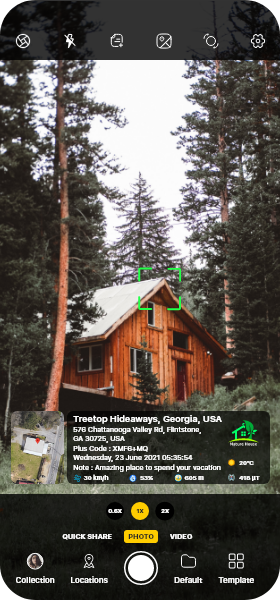

We believe in transparency. Here are answers to the questions our users ask most.
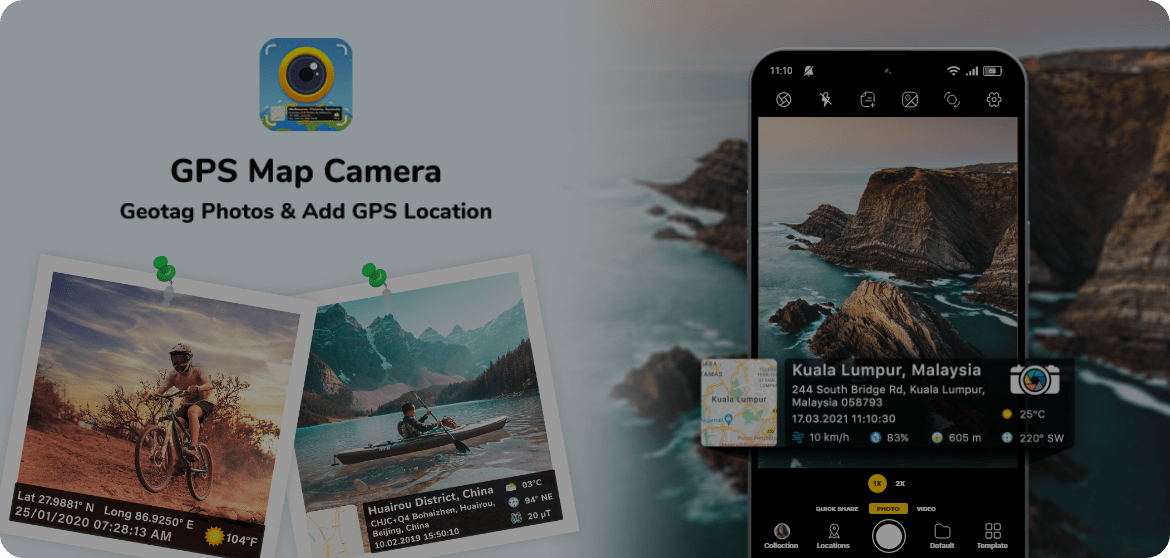
Explore how people across industries use our app to get accurate, authentic photo documentation.
Super helpful for logging my location and time while working off-site. Plus the file naming is a lifesaver!

I love how my photos show exactly where and when they were taken. It makes my posts more real — and my memories more organized.

Clients trust me more when I send geo-stamped images. It’s added professionalism to my entire work process.

Exactly what I needed! Now every project photo I take includes GPS, time, and location. It’s become a daily part of my workflow.

Beyond the moral lesson, the legend also reflects deep cultural anxieties about motherhood and abandonment. María, the "weeping woman," is the tragic antithesis of the ideal Mexican mother, La Malinche or the Virgin of Guadalupe—figures of loyalty and sacrifice. Instead of protecting her children, La Llorona becomes their murderer. Her ghostly lament is not only for her lost children but also for her lost identity as a protector. She is forever trapped between rage and remorse, a soul in purgatory.
La Leyenda de La Llorona is one of the most pervasive and haunting folktales in Latin American culture. While many versions exist, the "short legend" typically tells of a beautiful woman named María who, in a fit of rage and sorrow after her husband abandoned her for a younger woman, drowns her two children in a river. Immediately overcome by grief and regret, she wanders the banks, searching for them for eternity, dressed in a white gown and crying, "¡Ay, mis hijos!" (Oh, my children!). la leyenda de la llorona corta
At its core, this short version of the legend functions as a powerful moral tale. It serves as a stark warning against the destructive forces of unchecked passion, pride, and vengeance. María’s action—choosing to harm her children to hurt her unfaithful husband—is the ultimate act of selfishness. Her eternal punishment is not fire or chains, but an endless, fruitless search. She can never find her children because she herself destroyed them, symbolizing how certain sins are irreversible. Beyond the moral lesson, the legend also reflects
Furthermore, La Llorona acts as a cautionary figure for children. The tale is often told at night to scare youngsters away from playing near dangerous rivers or wandering alone after dark. The sound of wind or a crying animal is attributed to her ghostly wail, reinforcing a primal fear of the dark and the unknown. She represents the terrifying consequences of disobedience and the ever-present dangers of the natural world. Her ghostly lament is not only for her