
Hamad Aloqayli
Software Engineer
Hamad Aloqayli
Software Engineer
About Me

Bachelor's degree in Software Engineering, College of Computer & Information Sciences - King Saud University with second class honors.
Frontend Software Engineer with 4+ years of experience building high-quality ReactJS applications across Tech, Startup, and
R&D sectors. Certified Agile Project Manager and IT Service Management Specialist, skilled in aligning technical execution with project goals using Scrum. Blending technical
expertise and strategic project management to deliver impactful software.
Certifications & Achievements






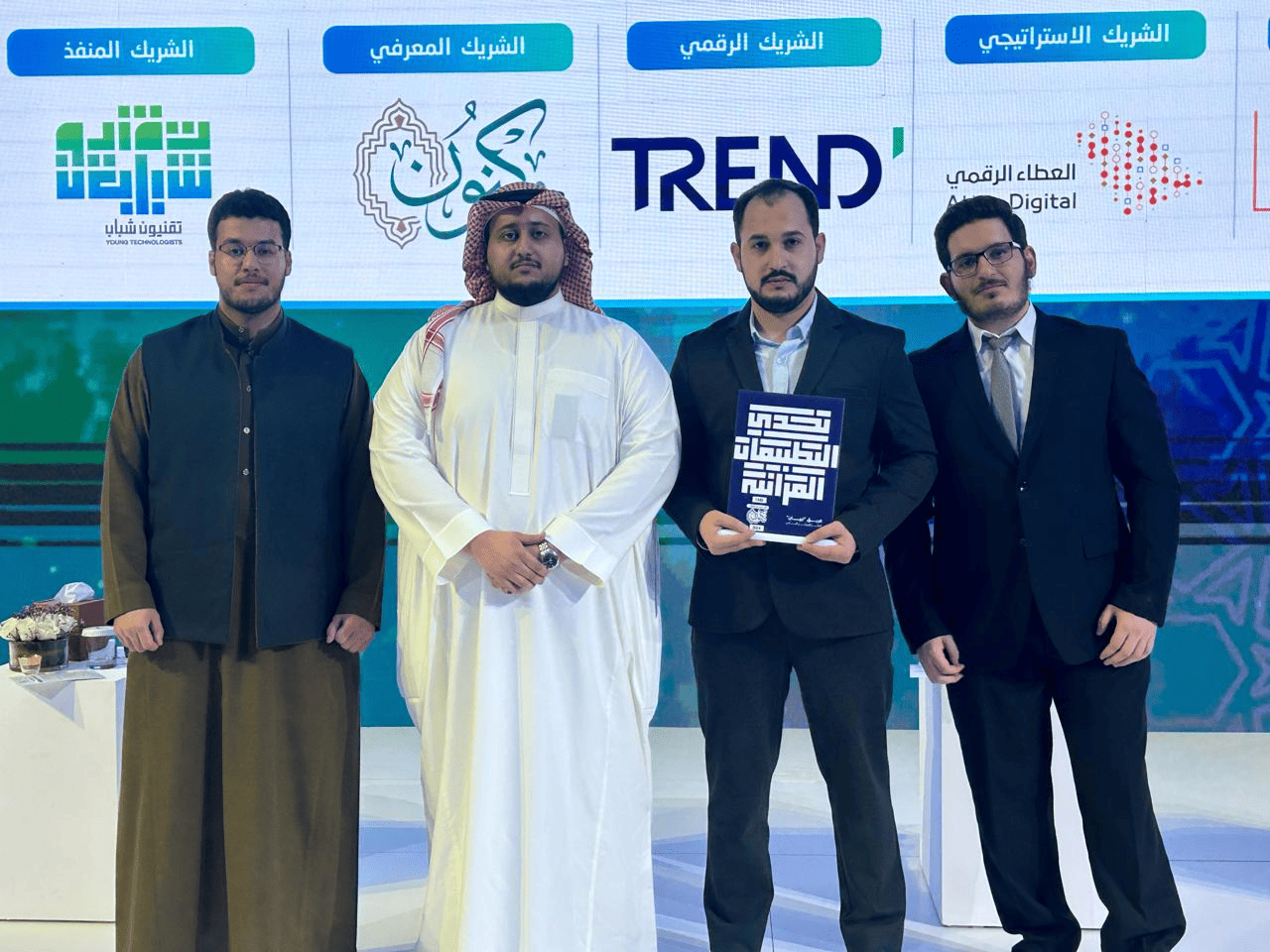
Secured Second Place in the Quran Apps Challenge Hackathon
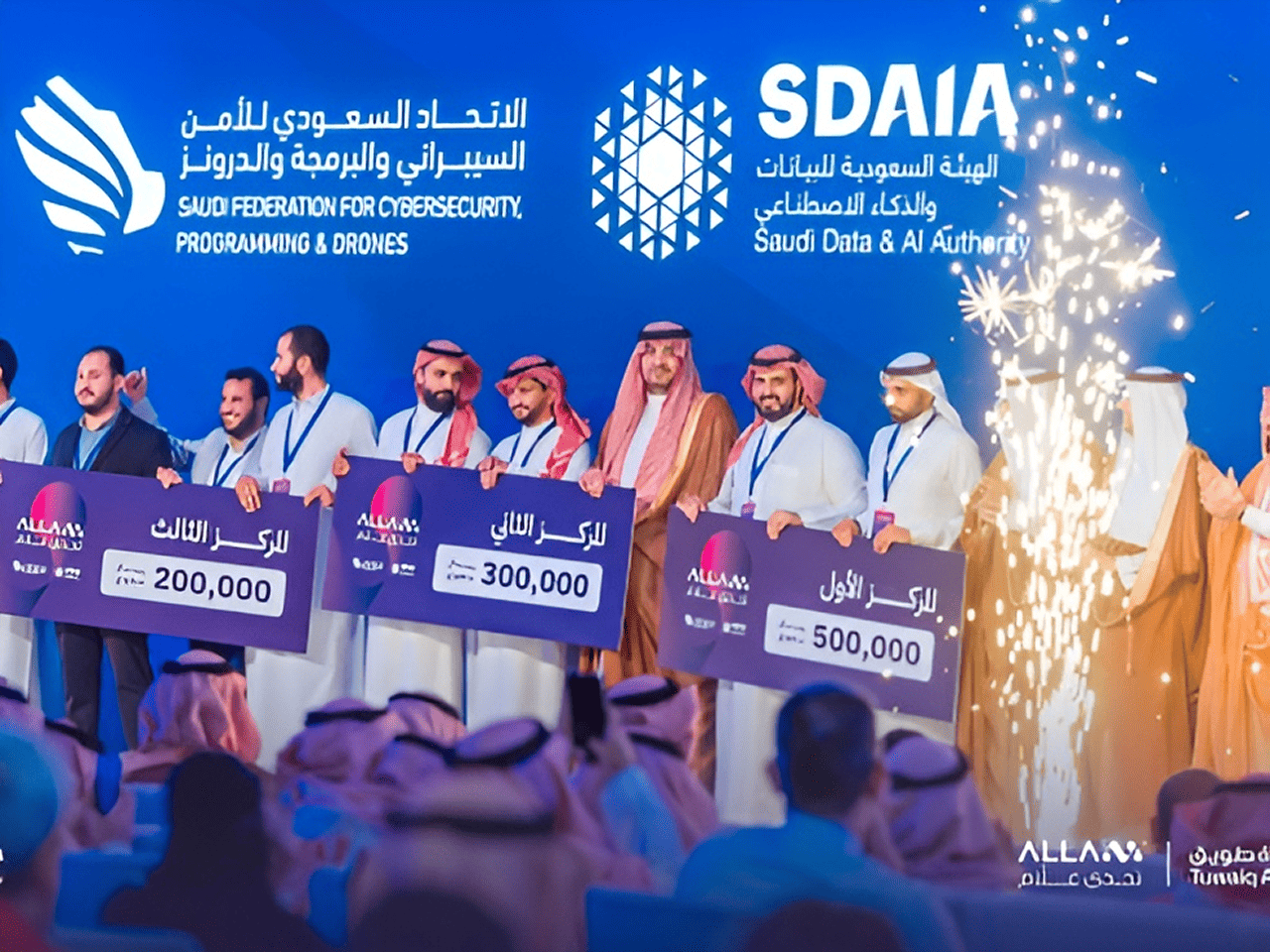
Secured Third Place in the ALLaM Challenge Hackathon
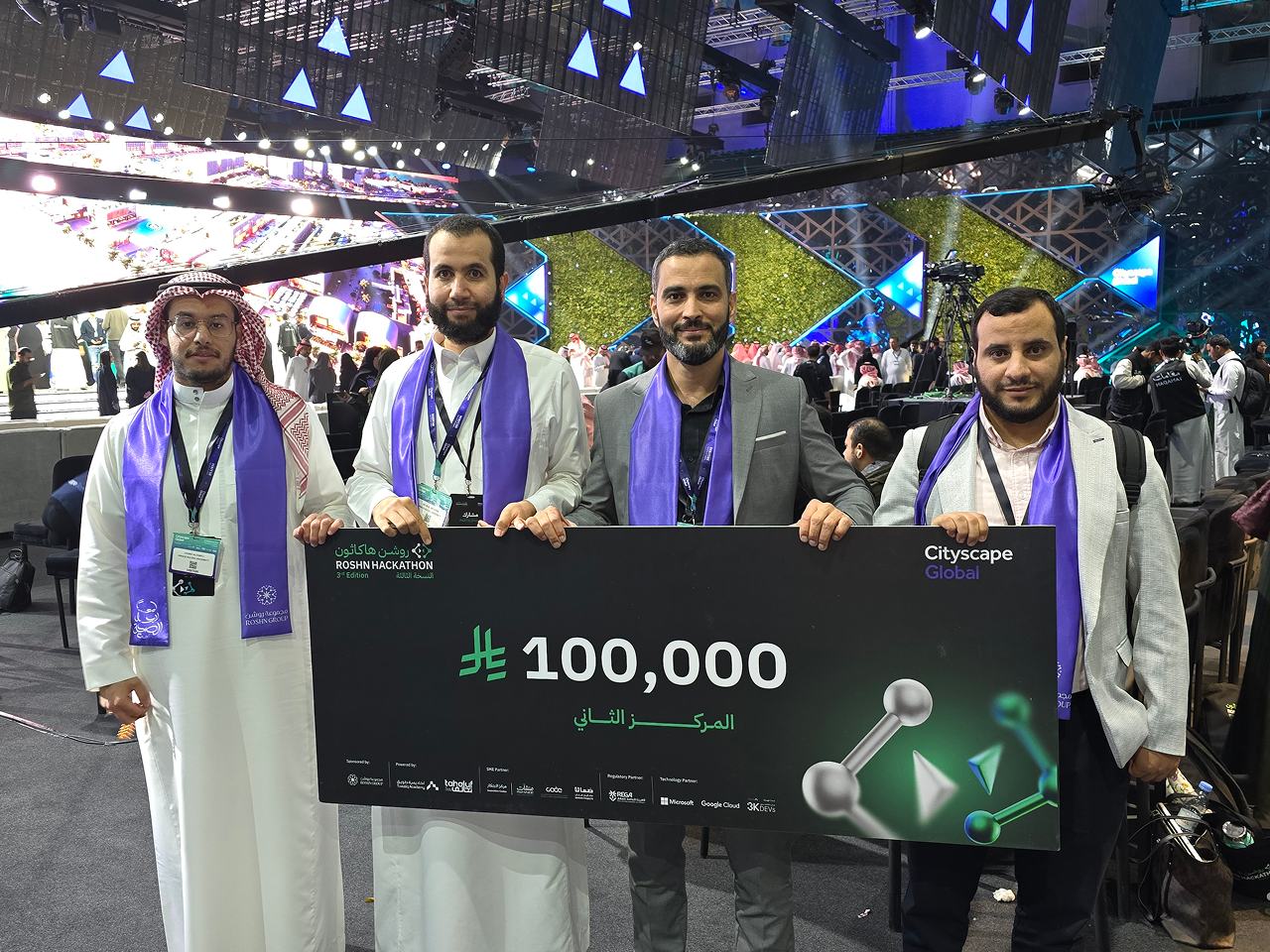
Secured Second Place in the ROSHN Challenge Hackathon
Here’s how to recognize and avoid the most common free fakings online. How it works: You sign up for a free 7-day trial of a streaming service, skincare product, or software. Hidden in the fine print: automatic renewal at $49.99/month. Canceling requires a phone call during limited hours.
Based on possible interpretations (e.g., typos for “free takings,” “free facings,” or slang for counterfeit/fake items), I’ll assume you’re looking for an article about — or about recognizing when “free” offers are actually scams involving fake products. free fakings
Below is a practical, useful article drafted around that concept. We all love free stuff. But scammers know that too. Every day, millions of people fall for “free” offers that turn out to be clever traps — leading to identity theft, malware, or useless counterfeit goods. I call these Free Fakings : deceptive promotions that pretend to give something for nothing, but actually fake you out of your time, data, or money. Here’s how to recognize and avoid the most
My Skills
Major Skills
 HTML
HTML CSS
CSS JavaScript
 ReactJS
 Firebase
 Figma
Figma Chakra
 Sass
Sass Tailwind
 Git
GitHere’s how to recognize and avoid the most common free fakings online. How it works: You sign up for a free 7-day trial of a streaming service, skincare product, or software. Hidden in the fine print: automatic renewal at $49.99/month. Canceling requires a phone call during limited hours.
Based on possible interpretations (e.g., typos for “free takings,” “free facings,” or slang for counterfeit/fake items), I’ll assume you’re looking for an article about — or about recognizing when “free” offers are actually scams involving fake products.
Below is a practical, useful article drafted around that concept. We all love free stuff. But scammers know that too. Every day, millions of people fall for “free” offers that turn out to be clever traps — leading to identity theft, malware, or useless counterfeit goods. I call these Free Fakings : deceptive promotions that pretend to give something for nothing, but actually fake you out of your time, data, or money.