Formula 1 1993 Today

For the drivers, this was a paradox. The car was glued to the track, defying physics through hydraulic rams and computer processors. Alain Prost, the intellectual driver, loved it. He treated the Williams as a complex data machine, adjusting switches and dials mid-corner to optimize grip. For Ayrton Senna, however, the active car was an abomination. In his McLaren MP4/8—powered by a naturally aspirated Ford V8 while Williams enjoyed a dominant Renault V10—Senna was forced to rely on raw talent. The 1993 season became a philosophical duel: Prost’s cold, calculated engineering versus Senna’s visceral, sliding heroism. The narrative of the drivers’ championship was predictable yet emotionally complex. After a sabbatical in 1992, Alain Prost returned to partner Damon Hill at Williams. Despite having the best car, Prost drove with tactical brilliance. He knew he didn’t need to beat Senna by a second per lap; he just needed to finish ahead. Prost won seven races, including a masterclass in the rain at Donington (where Senna famously lapped the entire field except Prost) and a strategic victory at Hockenheim.

Ultimately, Prost clinched his fourth World Championship at the Portuguese Grand Prix. It was a triumph of consistency over flash, of technology over instinct. Yet, the victory felt hollow to many fans, who sensed that the driver, not the machine, had become the secondary component. While the old guard fought, the future announced itself. Michael Schumacher , in his first full season with Benetton, finished fourth in the standings, winning the Portuguese Grand Prix. His aggressive, physical style—sliding the car in defiance of its own traction control—hinted at a new paradigm. Schumacher was the bridge: he understood the electronics but refused to be enslaved by them. formula 1 1993

However, the season’s defining image belongs to . Without the active suspension of Williams, Senna produced the most superhuman performances of his career. At the European Grand Prix at Donington Park, he overtook five cars on the first lap in the rain—including Prost, Schumacher, and Hill—before lapping the entire field except second place. In Brazil, despite a gearbox problem, he won his home Grand Prix, collapsing from exhaustion on the podium. For the drivers, this was a paradox

The 1993 Formula 1 season was not merely a championship; it was a laboratory experiment. It asked the question: If you give a driver a perfect, computer-controlled car, is he still a hero? For Alain Prost, the answer was yes—because managing the computer is a skill. For Ayrton Senna, the answer was no—heroism requires struggle. The tragedy of 1993 is that both men were right. And the season stands as a monument to the exact moment when Formula 1 stopped being a sport of gladiators and started becoming a sport of engineers. He treated the Williams as a complex data

formula 1 1993

Formula 1 1993 Today

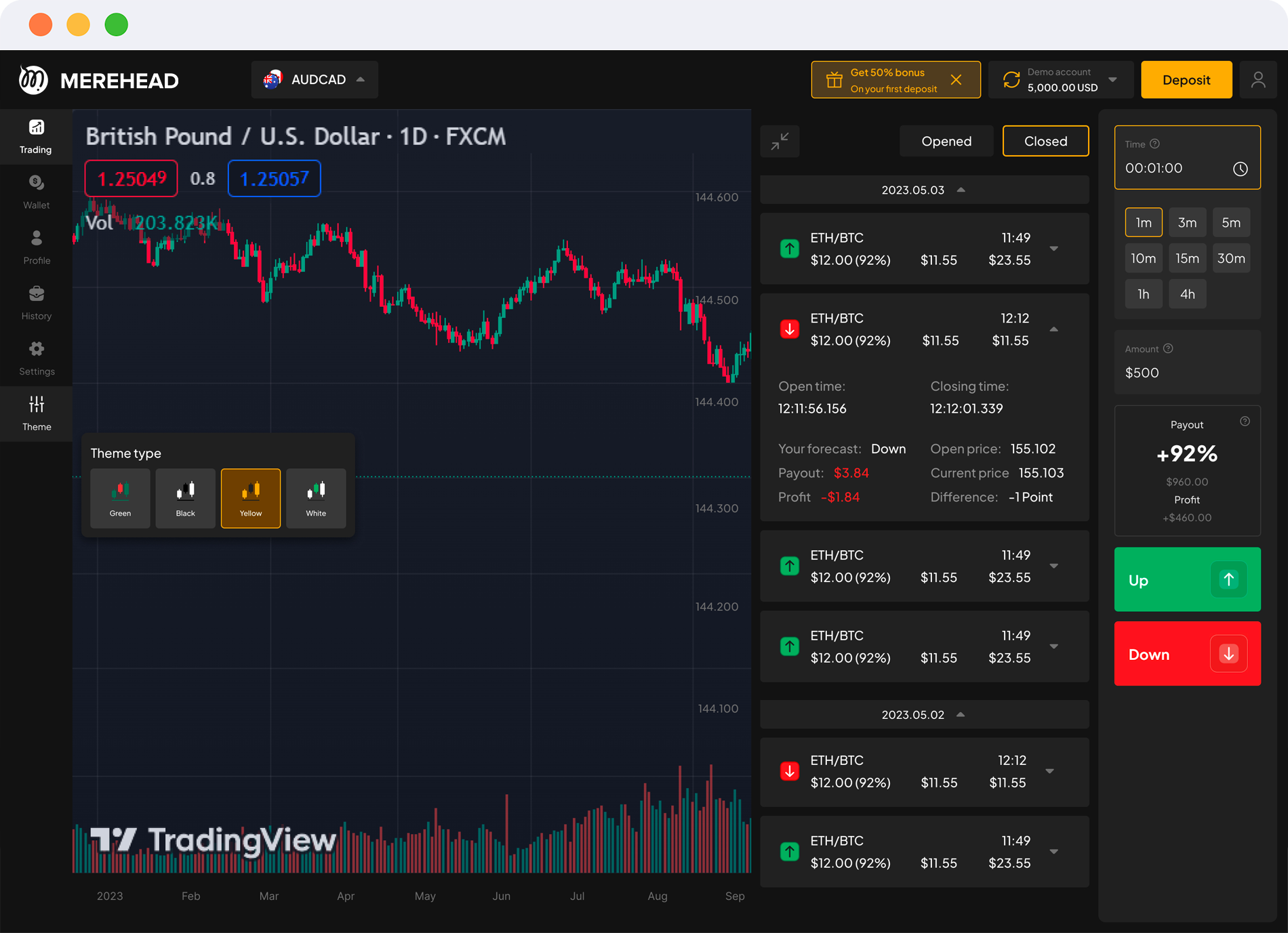
Premium Binary Options Trading Platform Script
A customizable binary options trading solution designed for maximum reliability
Access to Demo
Tech stack: php, react, solidity, npm, vps, gitlab, html5

For the drivers, this was a paradox. The car was glued to the track, defying physics through hydraulic rams and computer processors. Alain Prost, the intellectual driver, loved it. He treated the Williams as a complex data machine, adjusting switches and dials mid-corner to optimize grip. For Ayrton Senna, however, the active car was an abomination. In his McLaren MP4/8—powered by a naturally aspirated Ford V8 while Williams enjoyed a dominant Renault V10—Senna was forced to rely on raw talent. The 1993 season became a philosophical duel: Prost’s cold, calculated engineering versus Senna’s visceral, sliding heroism. The narrative of the drivers’ championship was predictable yet emotionally complex. After a sabbatical in 1992, Alain Prost returned to partner Damon Hill at Williams. Despite having the best car, Prost drove with tactical brilliance. He knew he didn’t need to beat Senna by a second per lap; he just needed to finish ahead. Prost won seven races, including a masterclass in the rain at Donington (where Senna famously lapped the entire field except Prost) and a strategic victory at Hockenheim.

Ultimately, Prost clinched his fourth World Championship at the Portuguese Grand Prix. It was a triumph of consistency over flash, of technology over instinct. Yet, the victory felt hollow to many fans, who sensed that the driver, not the machine, had become the secondary component. While the old guard fought, the future announced itself. Michael Schumacher , in his first full season with Benetton, finished fourth in the standings, winning the Portuguese Grand Prix. His aggressive, physical style—sliding the car in defiance of its own traction control—hinted at a new paradigm. Schumacher was the bridge: he understood the electronics but refused to be enslaved by them.

However, the season’s defining image belongs to . Without the active suspension of Williams, Senna produced the most superhuman performances of his career. At the European Grand Prix at Donington Park, he overtook five cars on the first lap in the rain—including Prost, Schumacher, and Hill—before lapping the entire field except second place. In Brazil, despite a gearbox problem, he won his home Grand Prix, collapsing from exhaustion on the podium.

The 1993 Formula 1 season was not merely a championship; it was a laboratory experiment. It asked the question: If you give a driver a perfect, computer-controlled car, is he still a hero? For Alain Prost, the answer was yes—because managing the computer is a skill. For Ayrton Senna, the answer was no—heroism requires struggle. The tragedy of 1993 is that both men were right. And the season stands as a monument to the exact moment when Formula 1 stopped being a sport of gladiators and started becoming a sport of engineers.

Do you have a project idea?
Send
formula 1 1993
Yuri Musienko
Business Development Manager
Yuri Musienko specializes in the development and optimization of crypto exchanges, binary options platforms, P2P solutions, crypto payment gateways, and asset tokenization systems. Since 2018, he has been consulting companies on strategic planning, entering international markets, and scaling technology businesses. More details