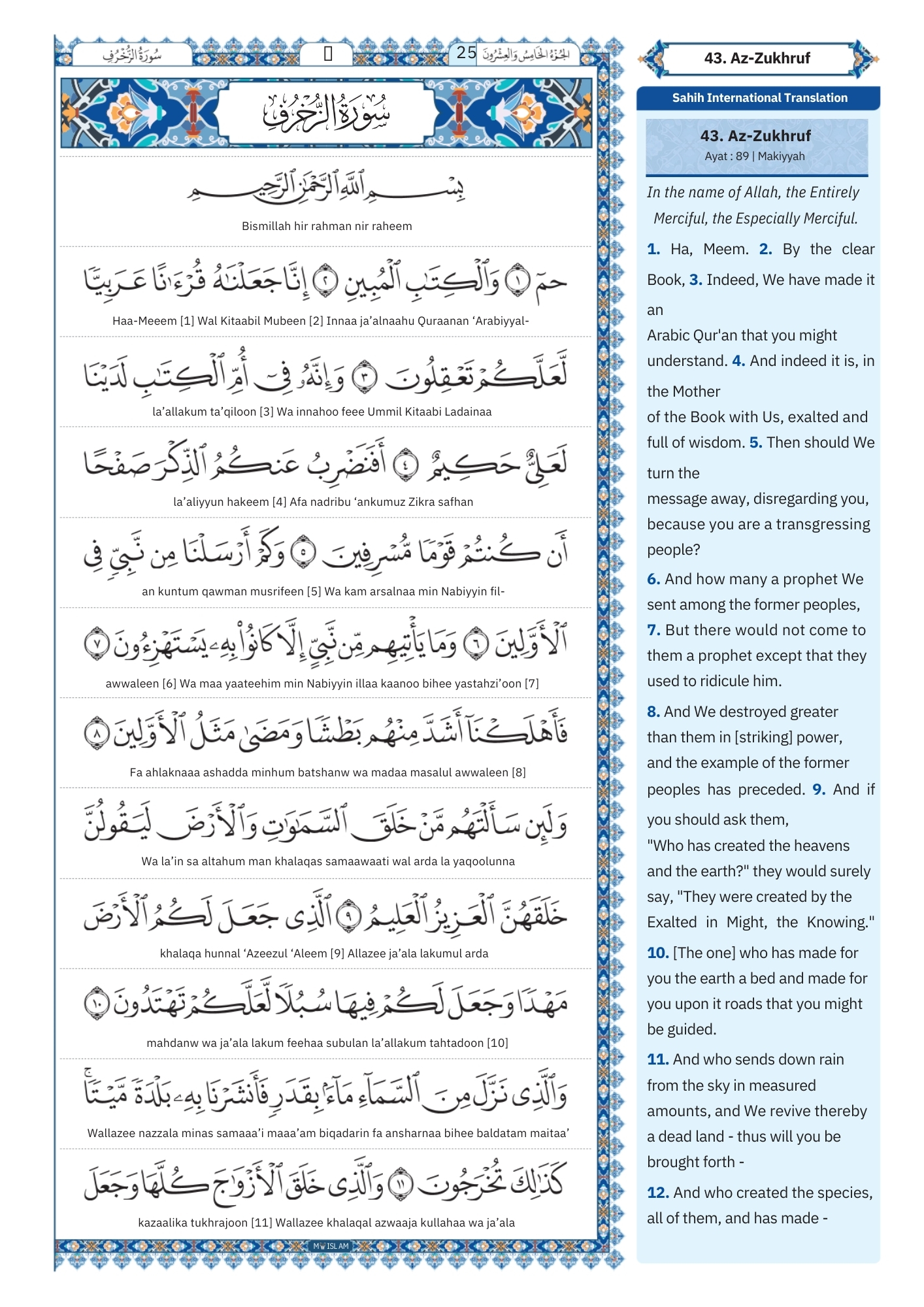
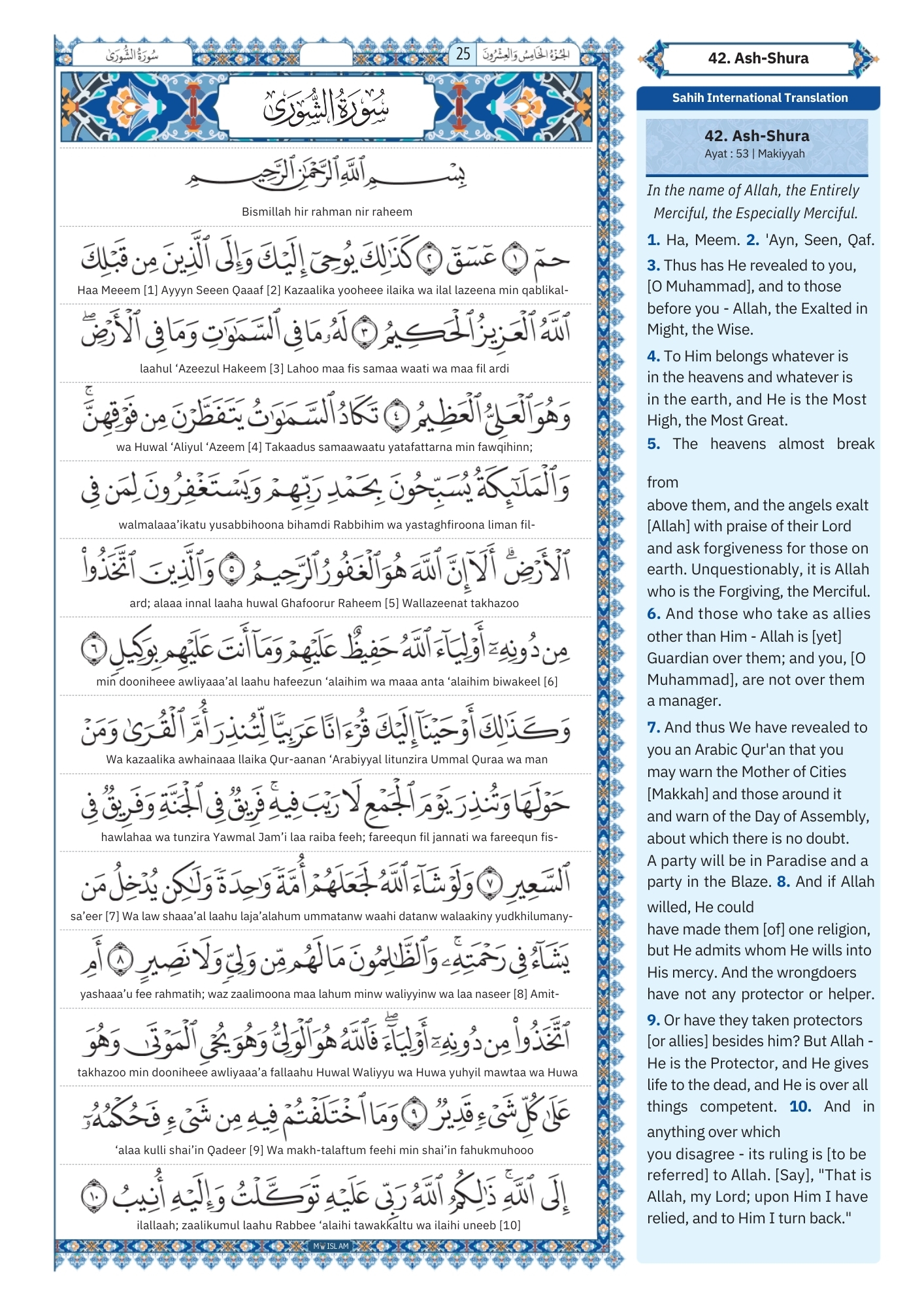
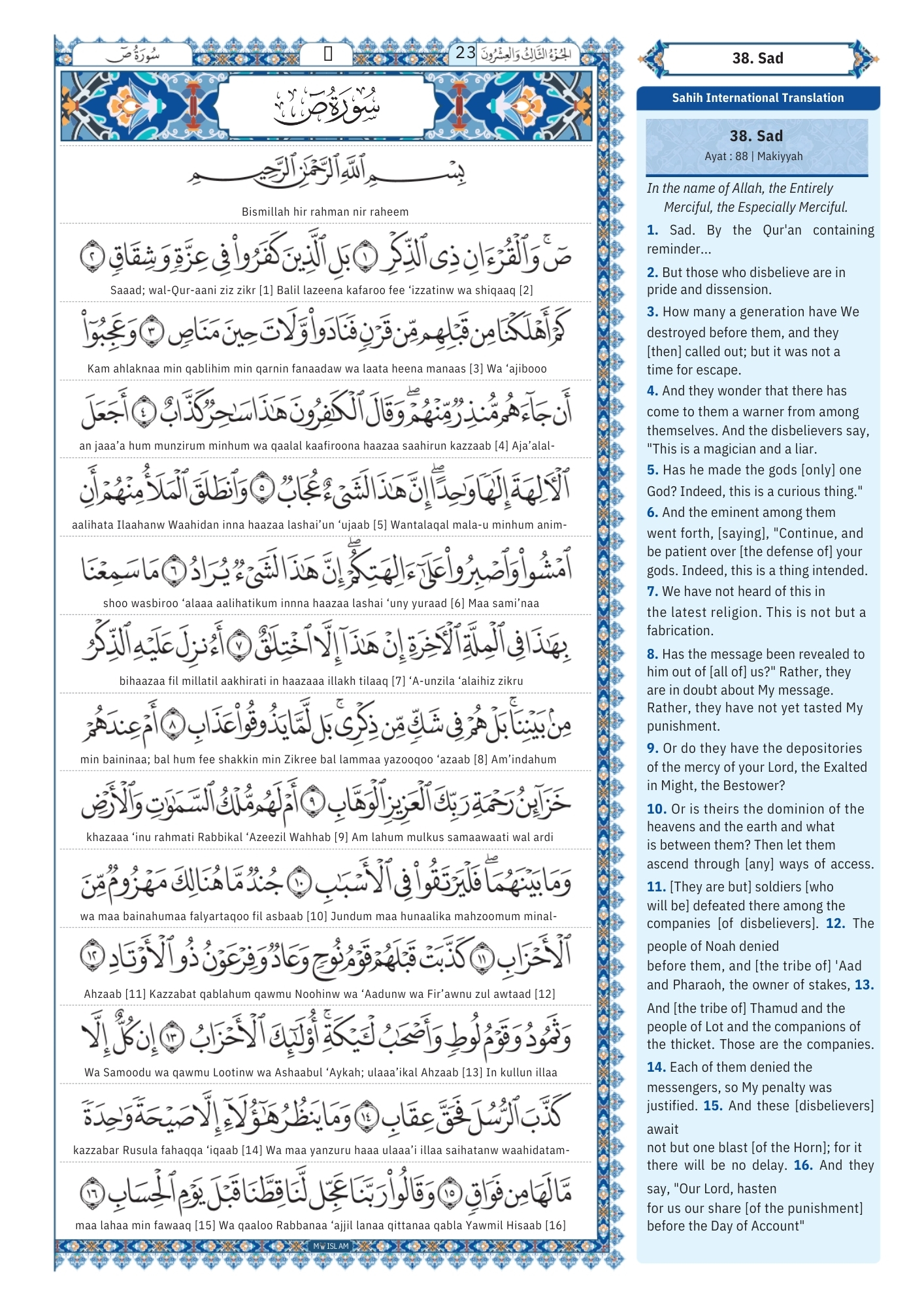
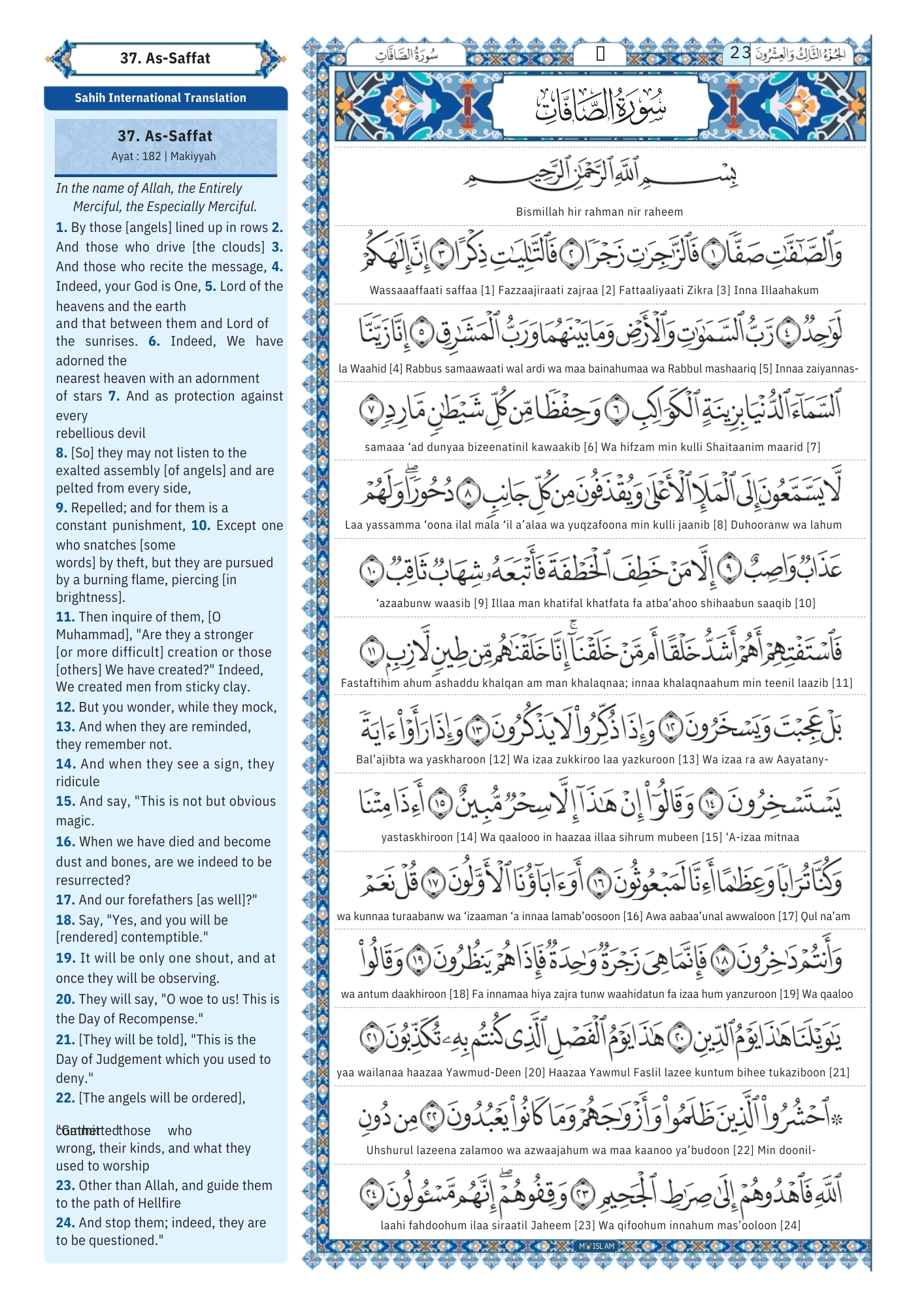
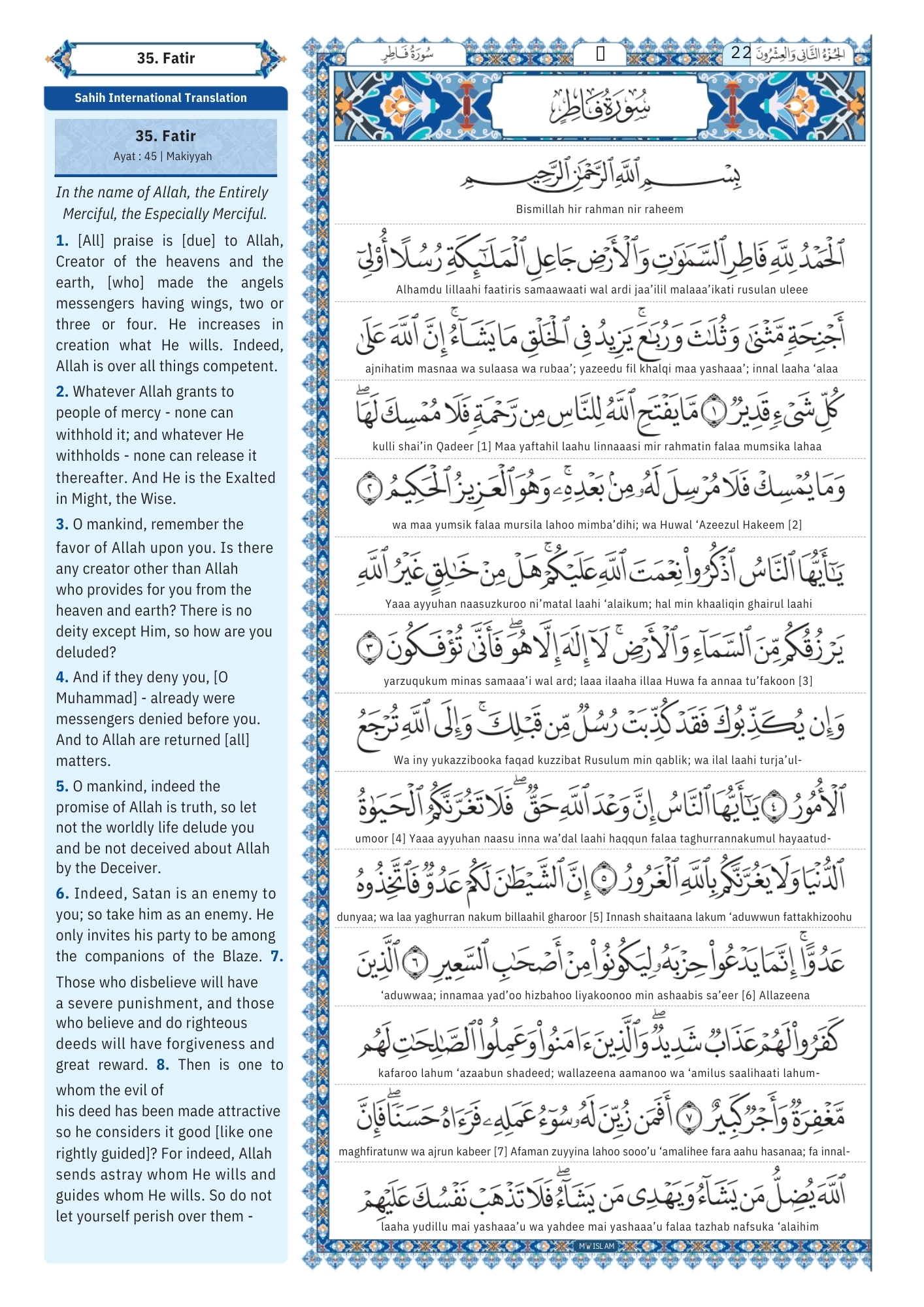
Surah Ad-Dukhan in English PDF – Download and Read Anytime
Surah Ad-Dukhan in English PDF is a highly searched topic among those who seek to understand the meanings of the […]
Surah Ad-Dukhan in English PDF – Download and Read Anytime Read More »
Envi Hot! | Exelis
Beyond the Pixels: Why ENVI Remains the Gold Standard for Geospatial Analytics
Here is what ENVI does better than almost anyone else: ENVI was built for the physics of light. Its Spectral Hourglass workflow (from atmospheric correction to endmember collection to SAM classification) is still the industry standard. If you are working with AVIRIS, PRISMA, or Emit data, the ENVI’s library of over 1,300 spectral signatures is indispensable. 2. The IDL Engine Under the Hood Love it or hate it, ENVI is powered by IDL (Interactive Data Language). For power users, this means you aren't stuck with the GUI. You can write batch scripts to process terabytes of Sentinel-2 data overnight. While Python is more popular today, IDL’s array syntax is incredibly fast for pixel-level math. 3. Radiometric Calibration Unlike general-purpose tools, ENVI understands the metadata of dozens of sensor formats (Landsat, MODIS, Pleiades, WorldView). Its Radiometric Calibration tools convert DN values into Top of Atmosphere (TOA) Reflectance or Radiance with a few clicks—no coding required. The Modern Workflow: ENVI + Deep Learning One of the biggest misconceptions is that ENVI hasn't evolved. The newer versions (ENVI 5.x+) have integrated Deep Learning modules. exelis envi
The short answer is —especially when you need rigorous, science-grade spectral analysis rather than just pretty RGB composites. What Makes ENVI Different? While GIS platforms like ArcGIS or QGIS treat imagery as pictures to be overlaid on a map, ENVI treats imagery as data cubes to be mathematically manipulated. This subtle shift is everything. Beyond the Pixels: Why ENVI Remains the Gold
If you work with satellite imagery, hyperspectral data, or LiDAR, you have likely encountered (now maintained by NV5 Geospatial). In an era where cloud-based platforms and open-source libraries (like Python’s Rasterio and GDAL) are exploding in popularity, you might wonder: Is a dedicated desktop environment like ENVI still relevant? You can write batch scripts to process terabytes
April 13, 2026 | Reading Time: 4 minutes