

First, define your central question. Before writing a single paragraph, ask: What problem does this essay solve? A strong thesis answers a specific, debatable, or informative claim. For example, instead of "Social media affects teens," write "Social media increases anxiety in teens primarily through social comparison, not screen time alone." Specificity guides every subsequent choice.

Third, end with a conclusion that does more than restate. A useful conclusion answers: So what? Now what? Summarize briefly, then offer a takeaway—a question for the reader, a practical recommendation, or a limitation to explore further. For instance, an essay on remote work might conclude: "Companies should therefore implement asynchronous check-ins, not more video meetings. Future research should examine long-term effects on junior employees."

Second, organize your evidence to build, not just list. Each paragraph should serve as a single step in an argument: claim, evidence, explanation, and link to the next point. Avoid the trap of "topic sentence soup"—where every paragraph starts with a fact but no reasoning. Instead, use transitions to show relationships (cause/effect, contrast, sequence).

Finally, revise for clarity and concision. A useful essay is not necessarily short, but it is never bloated. Cut adverbs, replace vague nouns with precise ones, and read each sentence aloud to catch passive constructions that hide agency.

In short, a useful essay serves its reader. Start with purpose, build with logic, and end with direction. That is the difference between writing that is merely completed and writing that is truly valuable. If you provide the correct prompt or topic, I will gladly draft a tailored essay for you.

A useful essay does more than fulfill a word count—it respects the reader's time and leaves them with something of value. Whether written for a class, a professional audience, or the public, the most effective essays share three qualities: a clear purpose, logical structure, and actionable insight.

I notice that "blus30528" doesn't appear to be a standard citation, course code, or recognizable topic. It could be a typo, a personal code, or a reference I don't have context for.
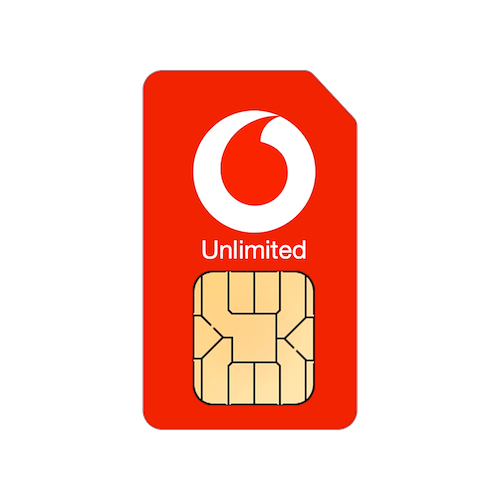
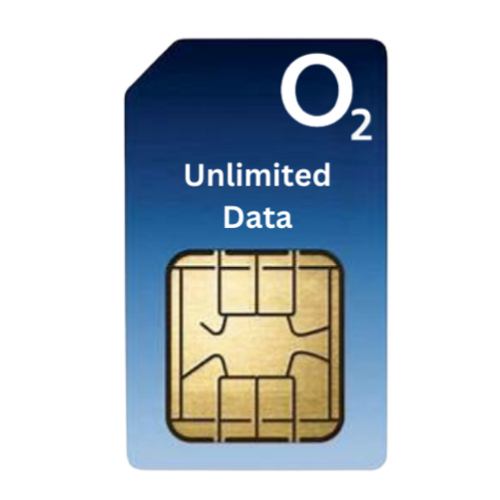
RELATED PRODUCTS

Blus30528 __exclusive__ Instant

First, define your central question. Before writing a single paragraph, ask: What problem does this essay solve? A strong thesis answers a specific, debatable, or informative claim. For example, instead of "Social media affects teens," write "Social media increases anxiety in teens primarily through social comparison, not screen time alone." Specificity guides every subsequent choice.

Third, end with a conclusion that does more than restate. A useful conclusion answers: So what? Now what? Summarize briefly, then offer a takeaway—a question for the reader, a practical recommendation, or a limitation to explore further. For instance, an essay on remote work might conclude: "Companies should therefore implement asynchronous check-ins, not more video meetings. Future research should examine long-term effects on junior employees." blus30528

Second, organize your evidence to build, not just list. Each paragraph should serve as a single step in an argument: claim, evidence, explanation, and link to the next point. Avoid the trap of "topic sentence soup"—where every paragraph starts with a fact but no reasoning. Instead, use transitions to show relationships (cause/effect, contrast, sequence). First, define your central question

Finally, revise for clarity and concision. A useful essay is not necessarily short, but it is never bloated. Cut adverbs, replace vague nouns with precise ones, and read each sentence aloud to catch passive constructions that hide agency. For example, instead of "Social media affects teens,"

In short, a useful essay serves its reader. Start with purpose, build with logic, and end with direction. That is the difference between writing that is merely completed and writing that is truly valuable. If you provide the correct prompt or topic, I will gladly draft a tailored essay for you.

A useful essay does more than fulfill a word count—it respects the reader's time and leaves them with something of value. Whether written for a class, a professional audience, or the public, the most effective essays share three qualities: a clear purpose, logical structure, and actionable insight.

I notice that "blus30528" doesn't appear to be a standard citation, course code, or recognizable topic. It could be a typo, a personal code, or a reference I don't have context for.

Secure Payments

Remote Session

Why not follow us?

Follow Tekeez on TwitterVisit Tekeez on Facebook

Tekeez support both PC/Windows users and Mac users equally, so whether you have a Mac or a PC we can help.

Tekeez are proud to have been providing legendary IT Superhero services and support for 30 years, since 1994.

Why not try our services and discover the secret of our success?

Tekeez - Super Tim - Legendary Service
Tekeez - IT Superheroes - Ready for action!

QUICK ENQUIRY FORM

This field must contain Alpha Numeric characters
You have not reached the minimum amount of characters required for this field
Thank you! Your enquiry was successfully sent :-)×
Oops! Some went wrong... Your enquiry did not go through :-(×

Scan to download our contact details!

Scan to get Tekeez contact details
© 1994-2025 EuroSolve Ltd - Tekeez® is a registered trademark and brand of EuroSolve Ltd
0333 023 0001.

Tekeez® Oxford:
Prama House • 267 Banbury Road • Oxford • OX2 7HT

Tekeez® Caerphilly:
Britannia House • Caerphilly Business Park • Van Road • Caerphilly • CF83 3GG